Buying Diamonds in Aruba: What Travelers Should Know
Buying diamonds in Aruba can be a good decision. The downtown has more loose diamonds per square metre than most cities. It can also go wrong in the usual ways: an unfamiliar certificate, a discount from a fictional list price, or a stone that looks different under daylight. This guide is what we tell our own friends before buying diamonds in Aruba.
1. Start with the certificate
A diamond’s grade is only as good as the laboratory that issued it. GIA is the benchmark for natural diamonds. IGI is widely used and acceptable for lab-grown. EGL reports have historically graded a step or two more generously. Therefore, an “EGL G VS1” is not the same stone as a “GIA G VS1” and should not cost the same. Ask to see the report number inscribed on the girdle under the store’s loupe. Then check it on the GIA report check before you pay. If a store hesitates to let you verify, leave.
2. The four Cs, in the order that matters when buying diamonds in Aruba
- Cut drives sparkle more than anything. For round brilliants, insist on Excellent (GIA) cut.
- Colour: D to F is colourless and costly. G to H looks white to almost everyone and costs much less, while I to J is fine in yellow gold.
- Clarity: VS1 to VS2 is clean to the eye. SI1 can be too, if the inclusion is off-centre, so ask to see it with a loupe.
- Carat is weight, and prices jump at 0.5, 1.0, 1.5 and 2.0. A 0.9 ct looks almost identical to a 1.0 and can cost noticeably less.
3. Natural or lab-grown
Lab-grown diamonds are chemically identical, graded the same way, and cost a fraction per carat. Aruba stores carry both. Some push whichever has the better margin that week, so decide before you walk in. If resale value matters to you, natural holds it better. If size for money matters, lab-grown wins.
4. How prices compare when buying diamonds in Aruba
For loose certified stones, Aruba’s competitive downtown and the absence of sales tax can put prices at or below a reputable US online seller. However, that is not always the case, and it is never by the 60 to 70% on the tag. Bring a reference: look up the price of a GIA stone of your target grade before you travel, and compare like for like. See our tax guide for what you save and what customs takes back.
5. Five questions before you pay
- Which laboratory certified this stone, and can I verify the number now?
- Does the price shown include Aruba’s 7% turnover tax?
- What is your written return or exchange policy, and for how long?
- Will you provide an independent appraisal for insurance?
- If I have it set here, who does the work, and when is it ready?
Where to go
Several Oranjestad jewelers hold large certified inventories and have goldsmiths on site. A few specialise in specific cuts or in coloured diamonds. See our diamonds page for the verified list. Alternatively, tell us your carat and budget, and we will book you into the two stores with the most depth in that range.
Want a second opinion before buying diamonds in Aruba?
Send us the certificate number and the quote on WhatsApp. We'll tell you if it's a fair price — free, and we don't sell diamonds.
Styles to look for
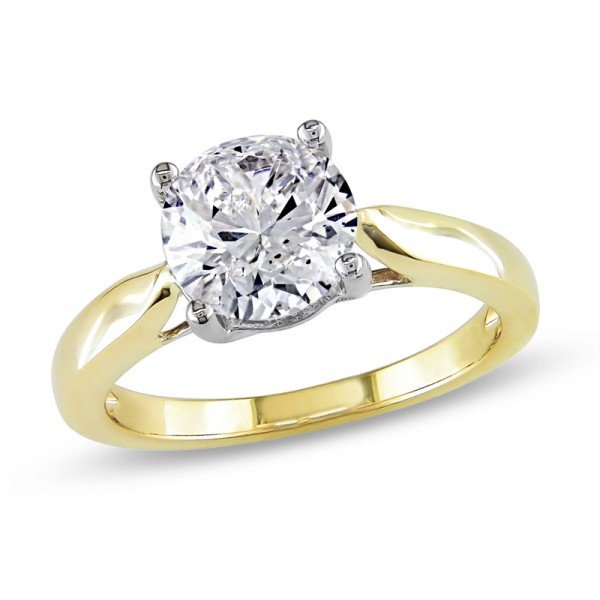
 Solitaire Engagement RingsOne stone, nothing to distract from itView & book
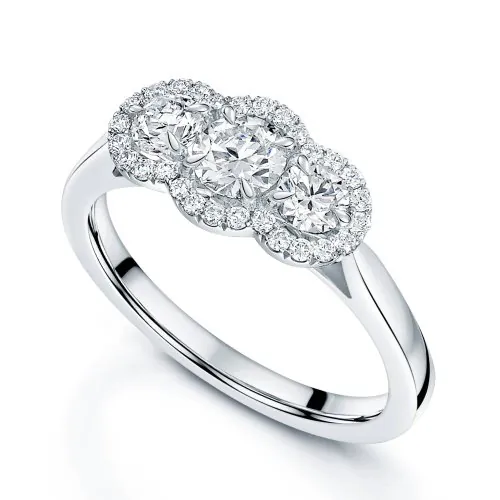
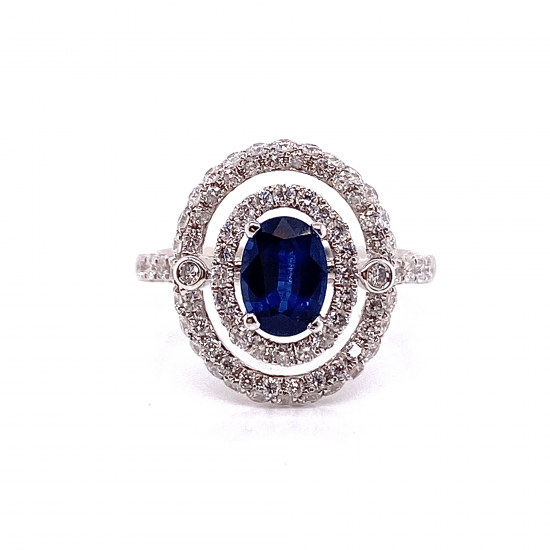 Halo Engagement RingsA ring of small diamonds that makes the centre look largerView & book
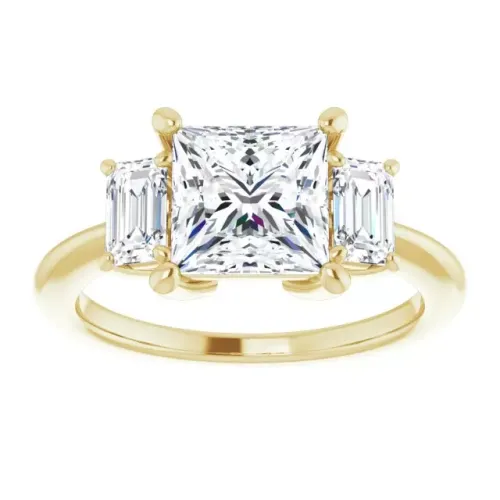 Three-Stone RingsPast, present and future in one settingView & book
 Bridal SetsEngagement ring and band designed to sit togetherView & book
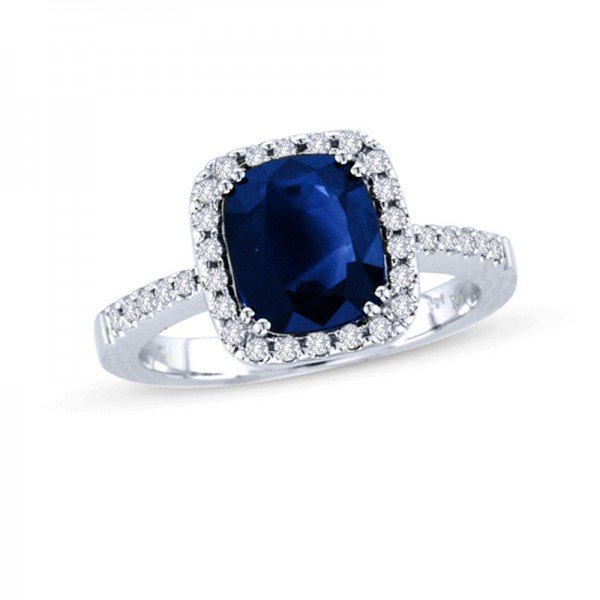 Sapphire Engagement RingsBlue, pink or teal centre stones with diamondsView & book
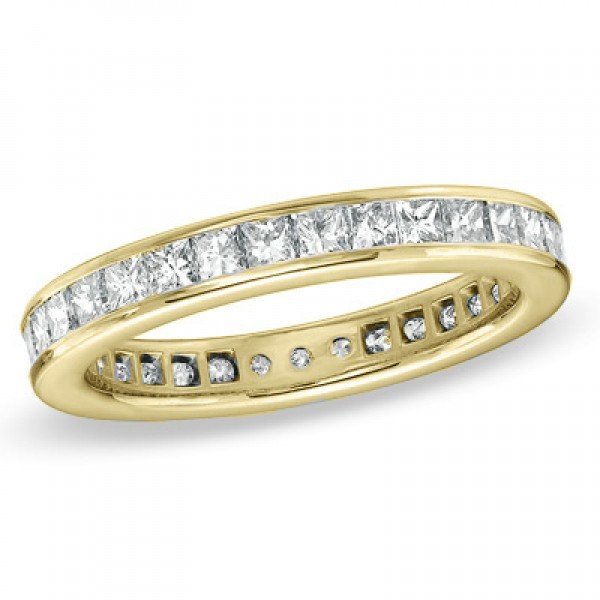 Classic Wedding BandsPlain gold and platinum bands, comfort fitView & bookDiamond Eternity BandsDiamonds all the way round, or half wayView & book
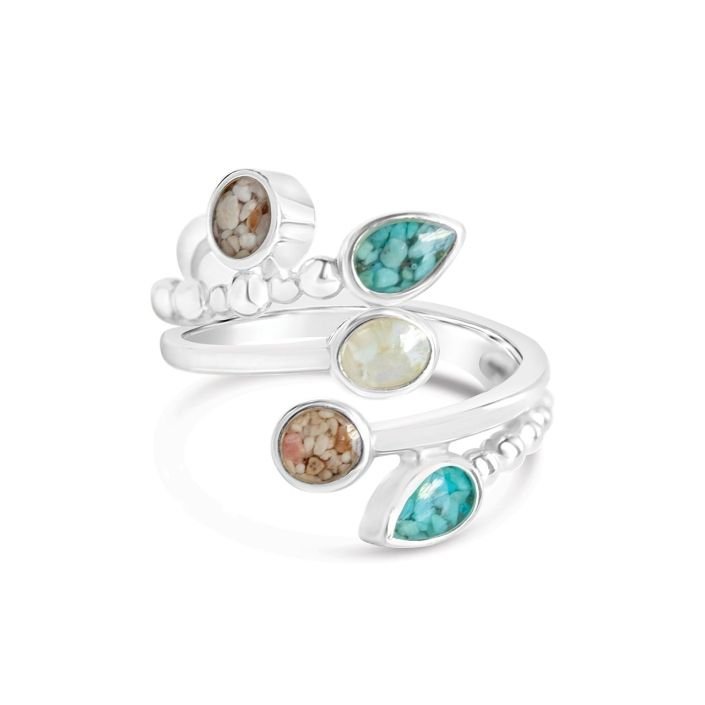 Cocktail RingsBig colour for evenings outView & book
Ready to see it in person?
Tell us what you have in mind, your budget and where you are staying. We prepare a private viewing at a time that suits your stay. No obligation. Aruba jeweler, at no cost to you.